

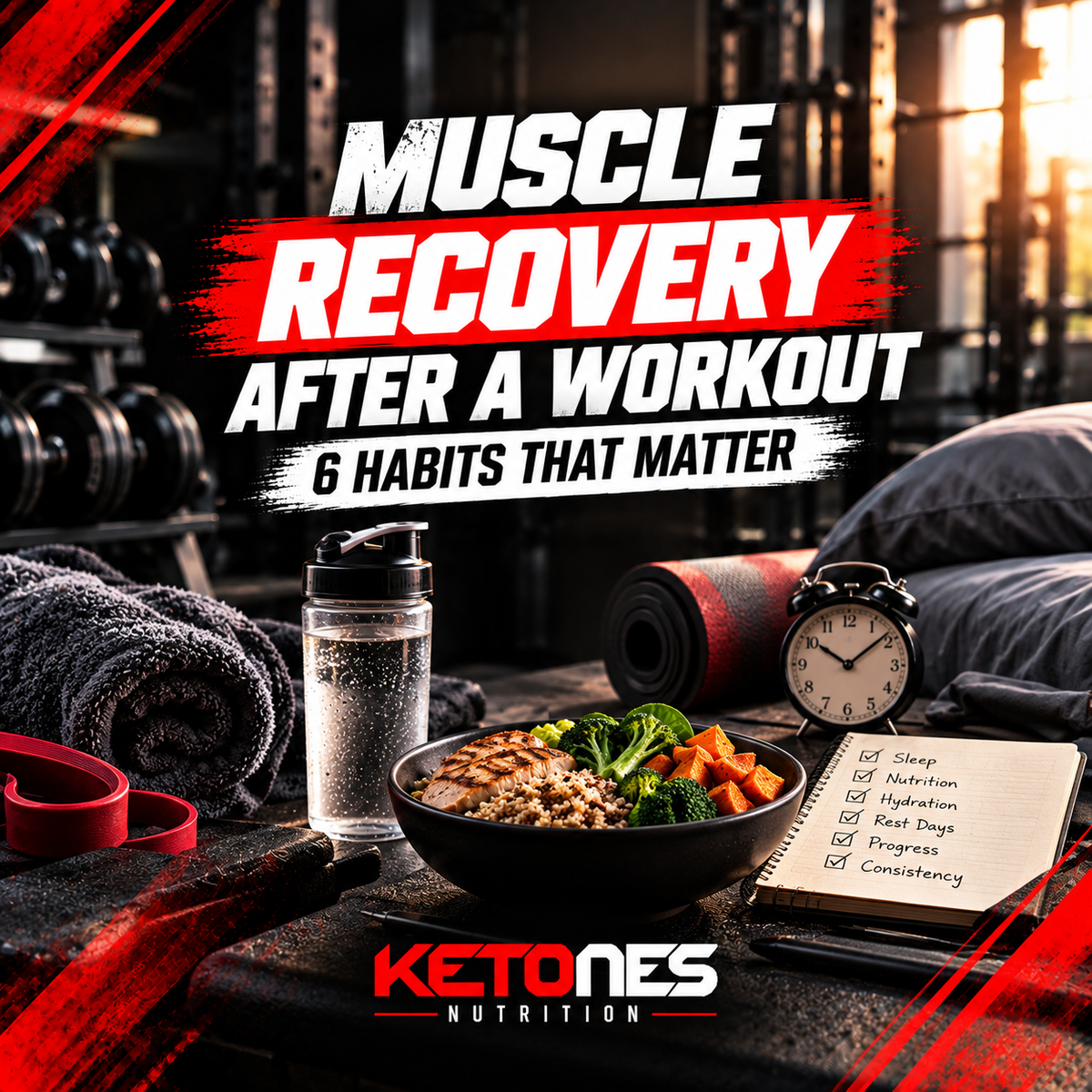
Muscle Recovery After a Workout: 6 Habits That Matter
Training challenges your muscles, but progress also depends on what happens outside the gym. Recovery gives your body time to adapt to exercise and prepare for future sessions.
1. Prioritise quality sleep
Sleep supports normal recovery and physical performance. Many adults should aim for around seven to nine hours per night, adjusting for individual needs.
2. Eat enough protein
Protein supplies amino acids required for muscle repair and maintenance. Include sources such as dairy, eggs, legumes, soy, fish, or lean meat throughout the day.
3. Consume enough overall energy
Consistently eating too little can make it harder to recover and perform well. Match your food intake to your activity level and goals.
4. Stay hydrated
Replace fluids lost through sweating. Your needs depend on exercise intensity, duration, temperature, and individual sweat rate.
5. Plan rest and lighter training days
Training the same muscle groups intensely without adequate recovery can impair performance. Use rest days and adjust training volume when fatigue builds up.
6. Progress gradually
Increase training loads, repetitions, or duration progressively instead of making large jumps too quickly. Persistent pain, unusual weakness, or ongoing fatigue deserves attention rather than being ignored.
Do recovery supplements help?
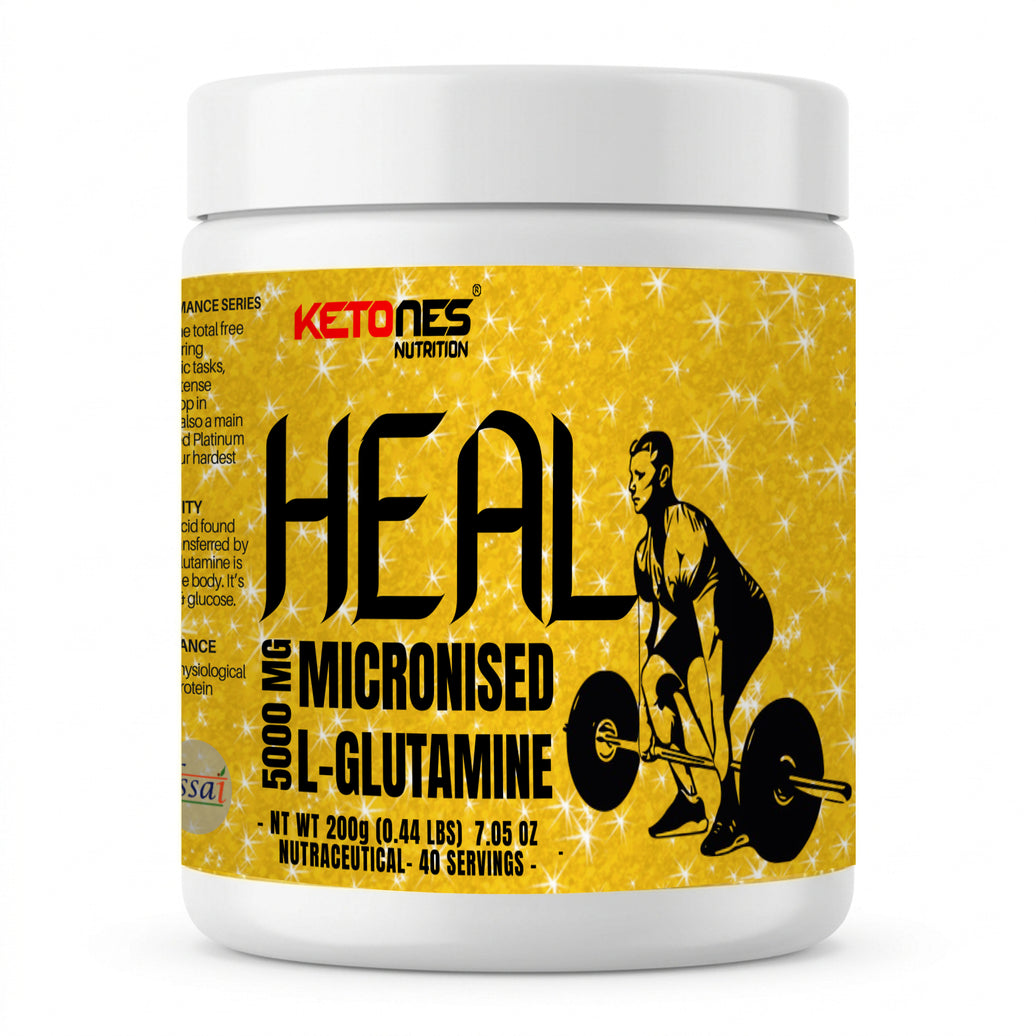
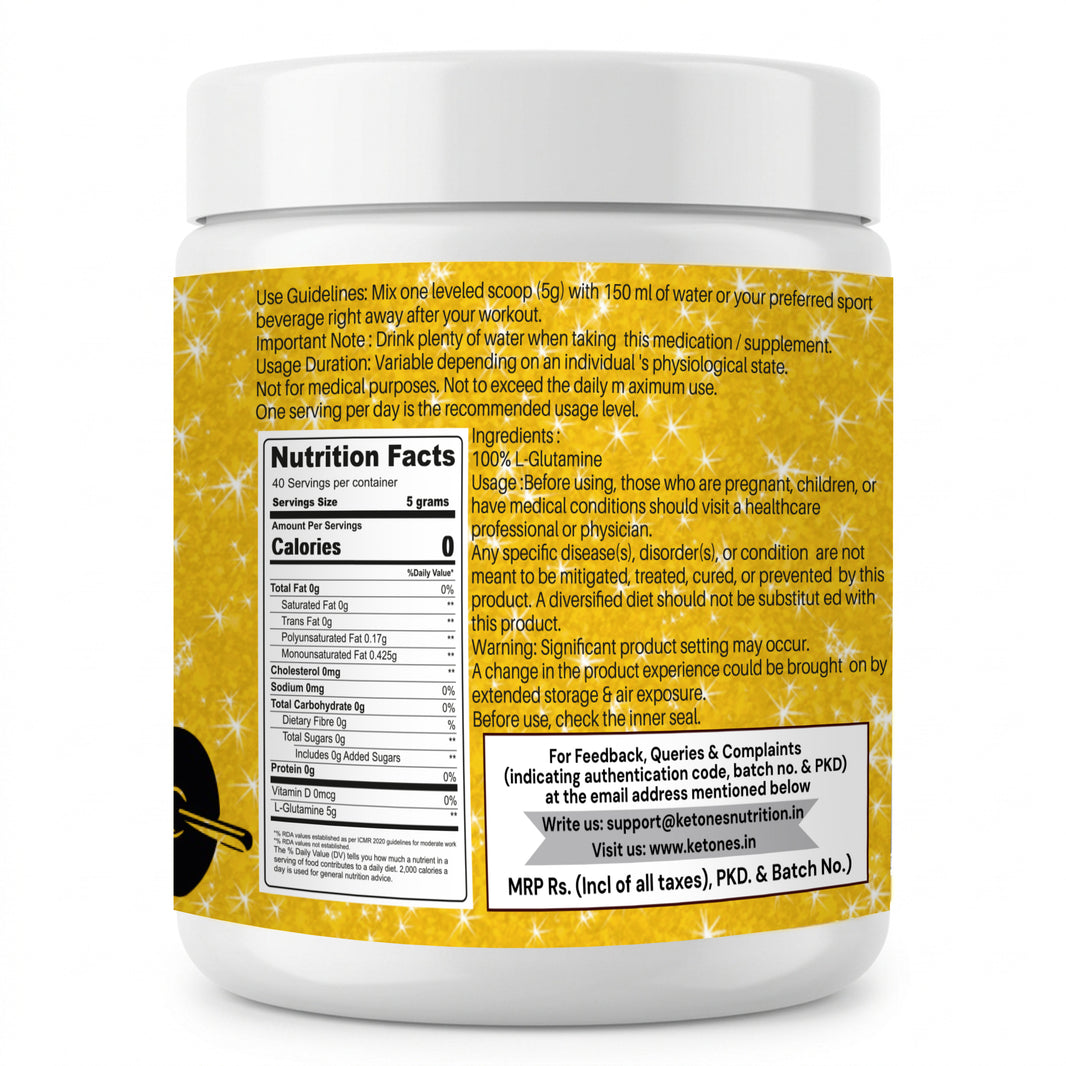
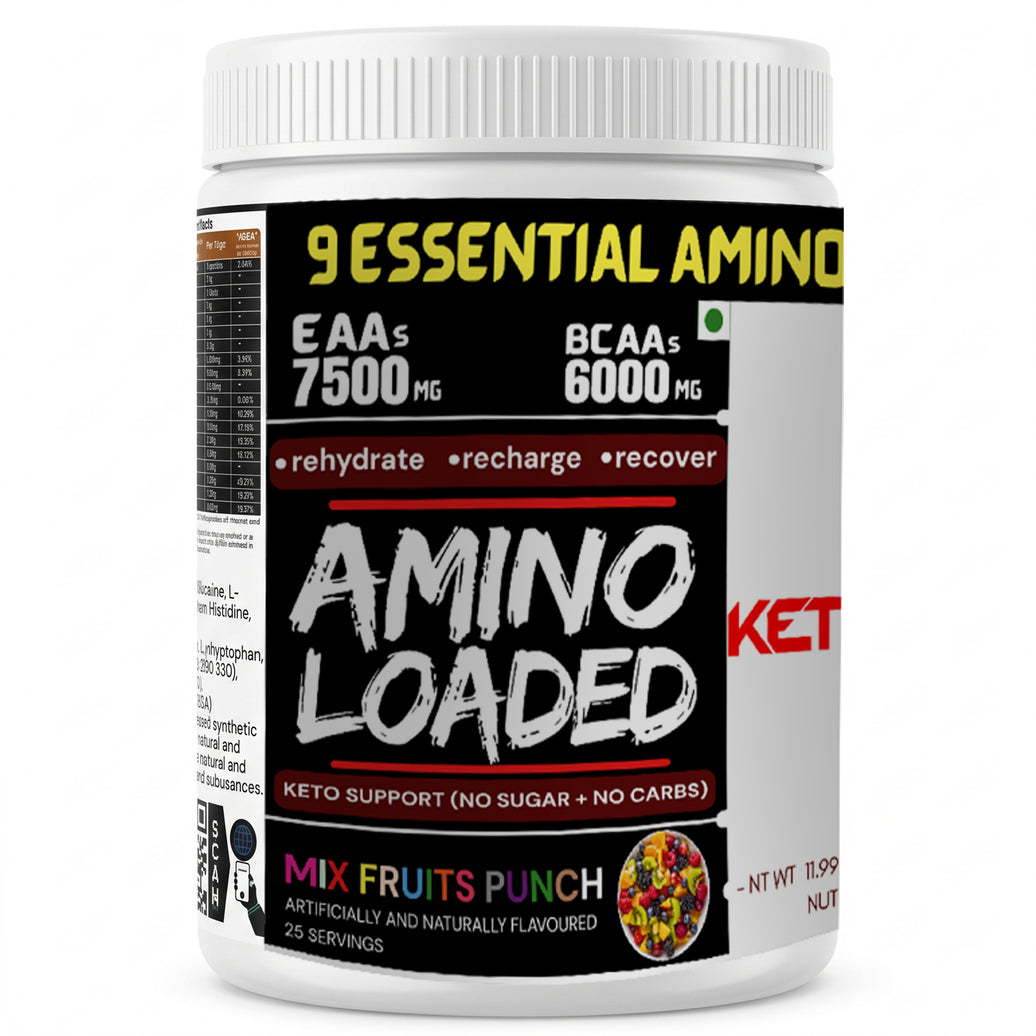
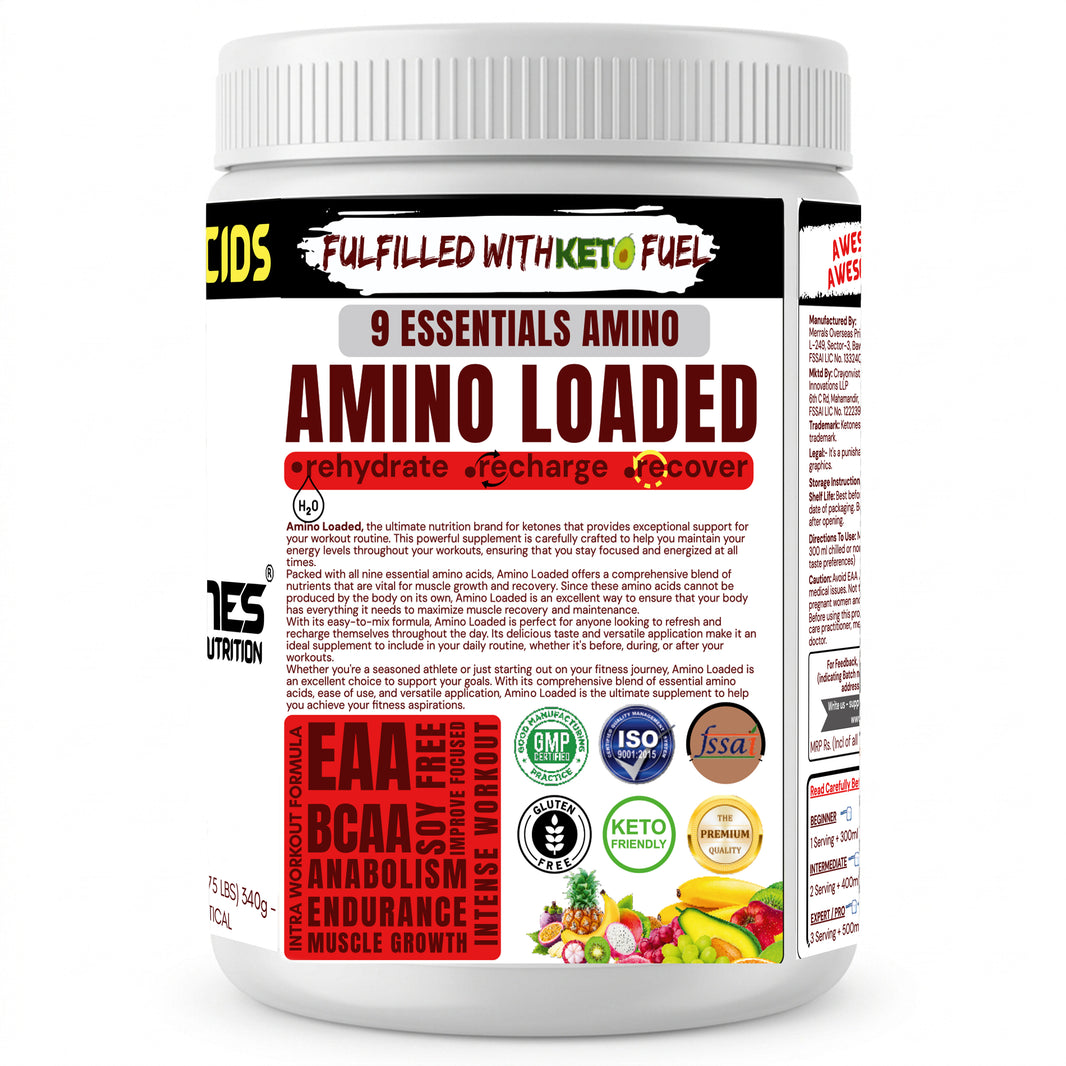
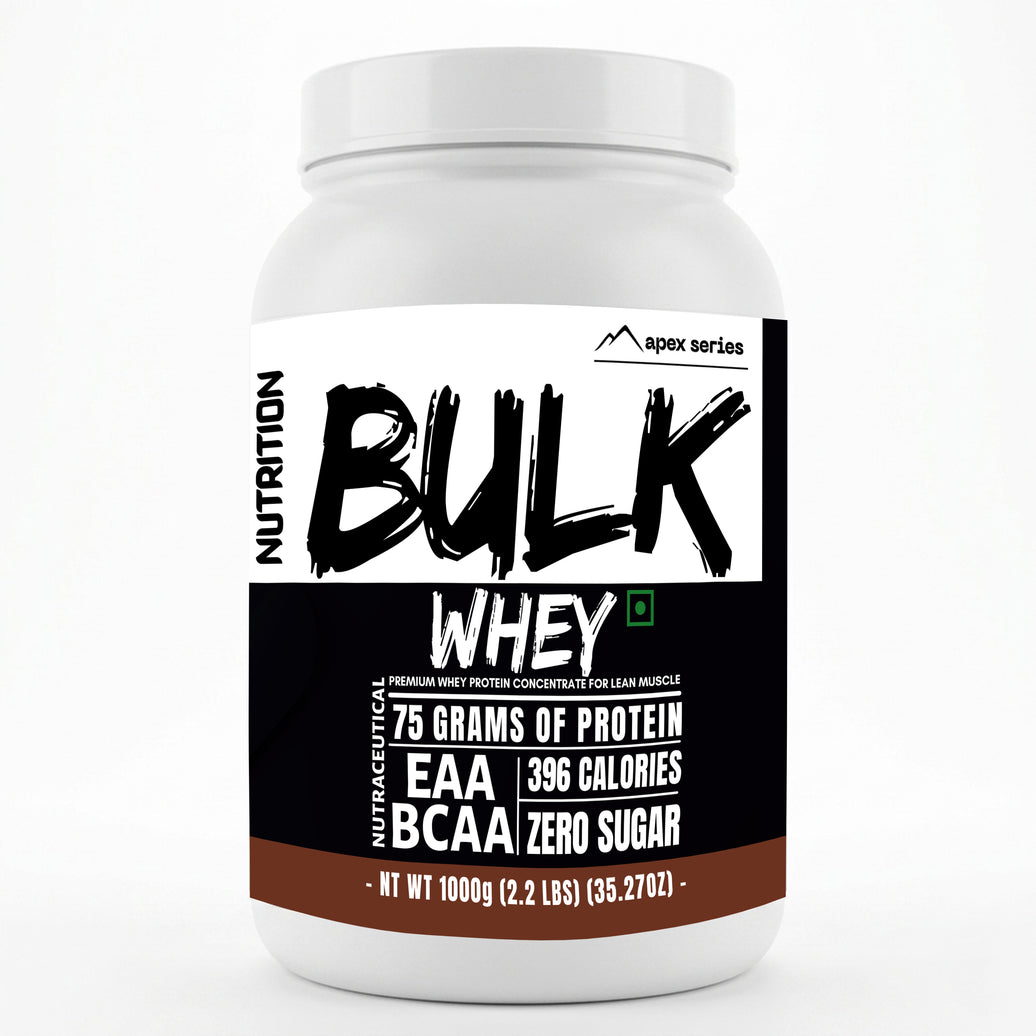
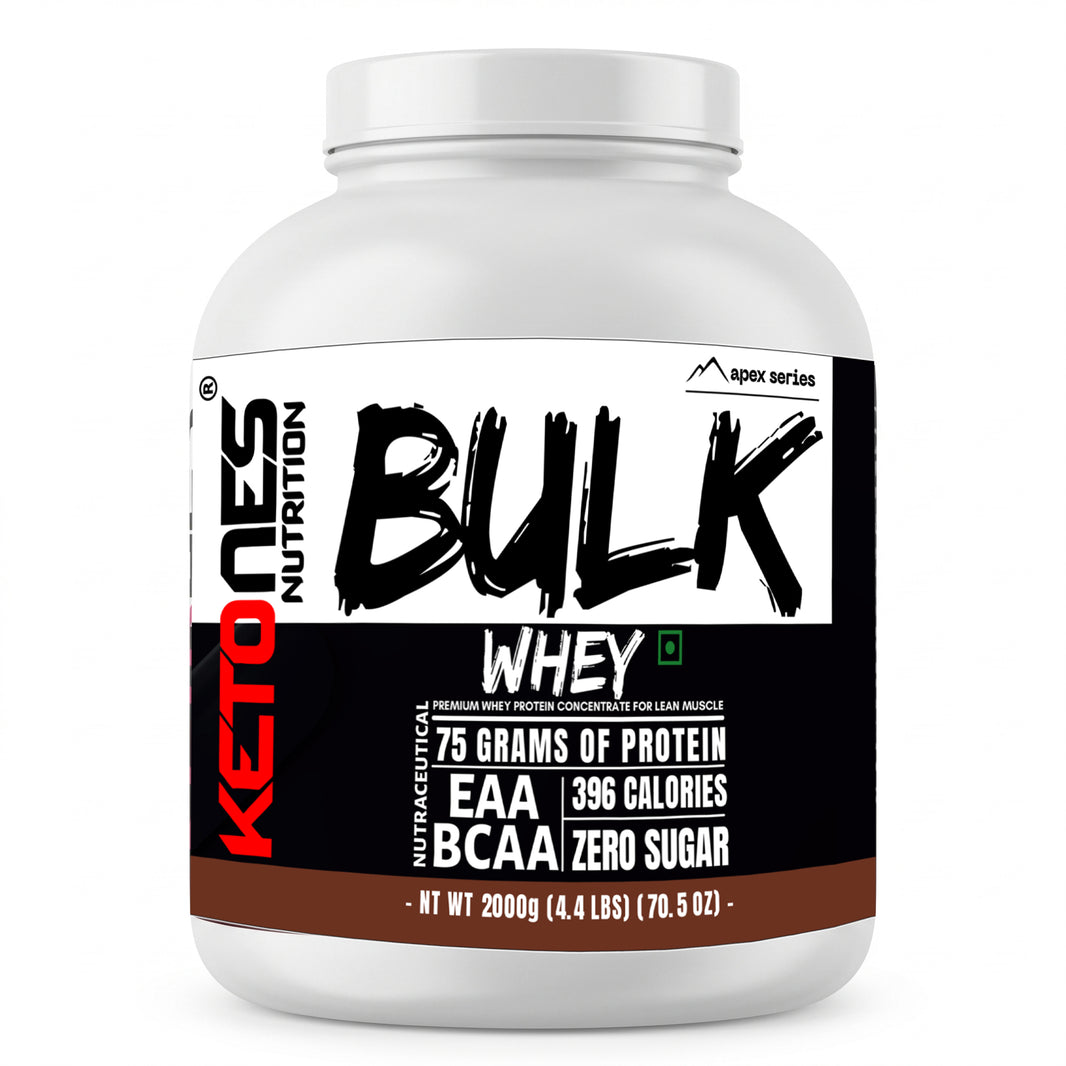
Some supplements can be useful in specific circumstances. Creatine has evidence supporting high-intensity exercise performance, and protein supplements can help people meet daily protein needs. Evidence for other products varies, and no supplement replaces sleep, appropriate training, or adequate nutrition.
The takeaway: Consistent training, good sleep, sufficient food, hydration, and sensible rest are the foundations of recovery.